Orthognathic Jaw Surgery in Riyadh with Chin Contouring
A comprehensive assessment of the relationship between the jaws, teeth, chin, and facial proportions to develop a surgical plan based on the needs of each case.
Book Your AppointmentWhat Is Orthognathic Jaw Surgery?
Orthognathic jaw surgery aims to correct structural differences in the position or relationship of the jaws when the problem is related to the jaw bones and orthodontics alone is not sufficient to address it.
During the assessment, the teeth or the jaw are not considered in isolation, but rather the relationship between the upper and lower jaw, the occlusion, the position of the teeth and chin, and the harmony of the facial features.
The goal is to develop a plan that treats the cause of the problem while taking function and facial harmony into account according to the needs of each case.
When Might You Need an Orthognathic Surgery Assessment?
An orthognathic surgery assessment may be appropriate when there is:
- Clear protrusion of the lower or upper jaw.
- Clear retrusion of one of the jaws.
- The upper and lower teeth not meeting correctly.
- An open bite.
- Deviation of the jaw or clear asymmetry between the two sides of the face.
- Difficulty chewing or biting related to the relationship between the jaws.
- A clear difference in the harmony of the lower face related to the position of the jaws.
Having one of these signs does not automatically mean you need surgery. Determining the appropriate plan depends on clinical assessment and analysis of the relationship between the teeth, the bite, and the facial bones.
Orthodontics or Jaw Surgery?
If the problem is only in the alignment of the teeth, orthodontics may be sufficient in many cases.
But if the underlying problem is in the relationship between the bones of the upper and lower jaw, orthodontics can move the teeth, but it does not perform the same function that surgery does in adjusting the position of the jaw bones in an adult.
For this reason, the assessment begins with the question:
Is the problem in the teeth, in the jaw bones, or in both together?
In cases that require combined treatment, coordination between the facial and jaw surgeon and the orthodontist is part of the treatment plan.
How Is Orthognathic Surgery Planned?
Planning begins with diagnosis.
The shape of the face is assessed from the front and the side, the relationship between the upper and lower jaw, the occlusion, the position of the teeth and chin, and any asymmetry between the two sides.
Then the appropriate photographs, imaging, and measurements for the case are used to build the surgical plan.
Depending on the case, planning may include three-dimensional surgical planning to study the relationship between the jaw bones, the teeth, and the proposed surgical movements before surgery.
Front and Side Assessment
The face is assessed from the front and the side, the relationship between the upper and lower jaw, the position of the teeth and chin, and any asymmetry between the two sides.
Facial Measurements
The appropriate measurements are used to understand the relationship between the facial bones, the teeth, and the harmony of the features.
3D Planning
Planning can include three-dimensional planning to study the movements of the jaw bones and their effect before the operation is performed.
Chin Contouring with Orthognathic Surgery
The chin is an important part of the harmony of the lower third of the face, so it is not evaluated separately from the jaws and the rest of the facial features.
In some cases, what appears to be a recessed chin may be related to the position of the lower jaw, while in other cases the chin itself may need adjustment.
Depending on the diagnosis, chin contouring surgery may be included in the plan to adjust the position or dimensions of the chin to suit the face.
The goal is to evaluate the face as an integrated whole, rather than treating each area in isolation.
One Jaw or Both Jaws?
Not all orthognathic surgery cases are the same.
Some cases may require adjusting the upper jaw, some the lower jaw, while others may require adjusting both jaws together.
Chin surgery may also be included in the plan depending on the needs of the case.
For this reason, the type of surgery cannot be determined from the name of the problem alone; the plan depends on the diagnosis and the relationship between the teeth, the jaws, and the face.
Orthognathic Surgery and Facial Balance
Changing the position of the jaws is not only related to the relationship between the teeth and the bite, but can also affect the shape and balance of the lower and middle face.
For this reason, during planning, the relationship between the proposed surgical movements and facial harmony is studied, alongside the relationship between the jaws and the teeth.
The goal is not to reach a uniform facial shape, but to develop a surgical plan that suits the anatomy and needs of each case.
Before & After
Results from the doctor's cases
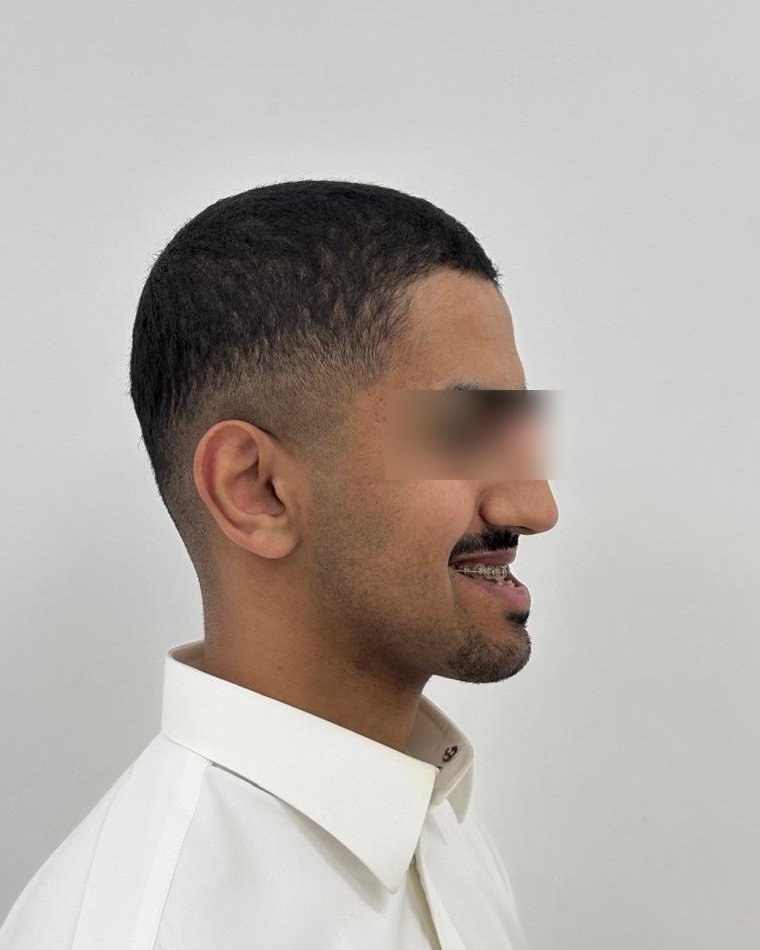 Before
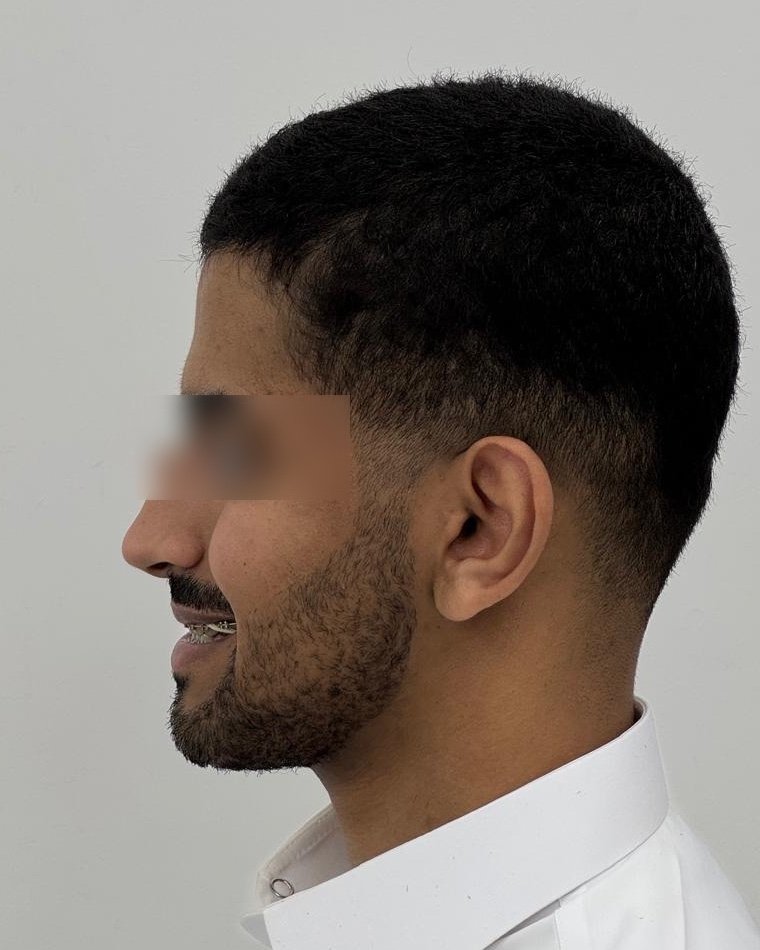 After
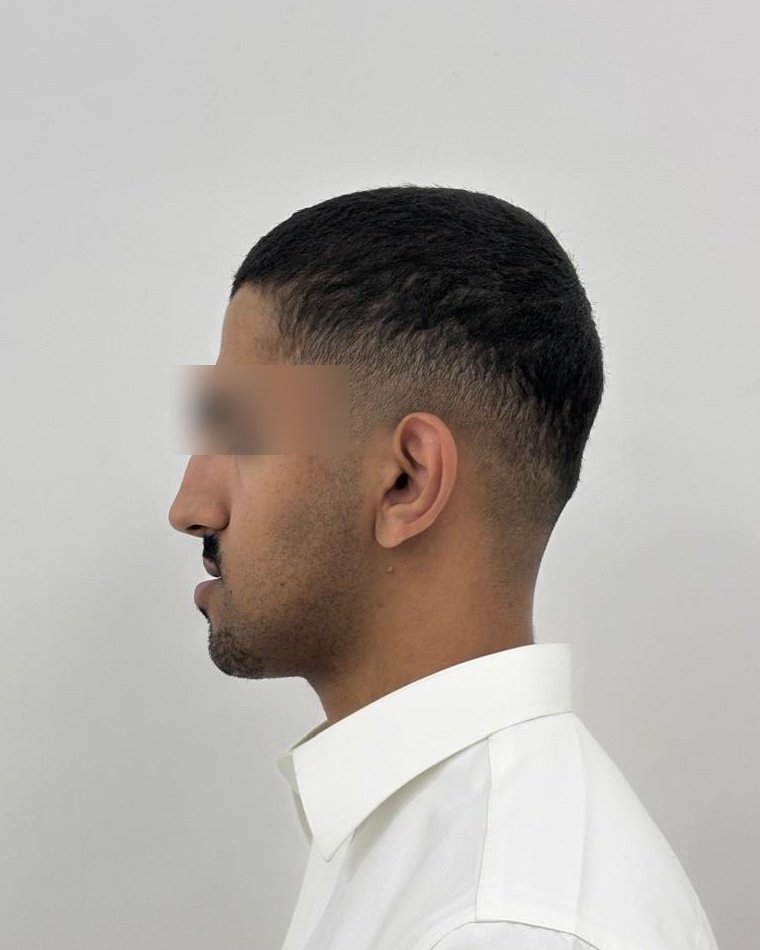 Before
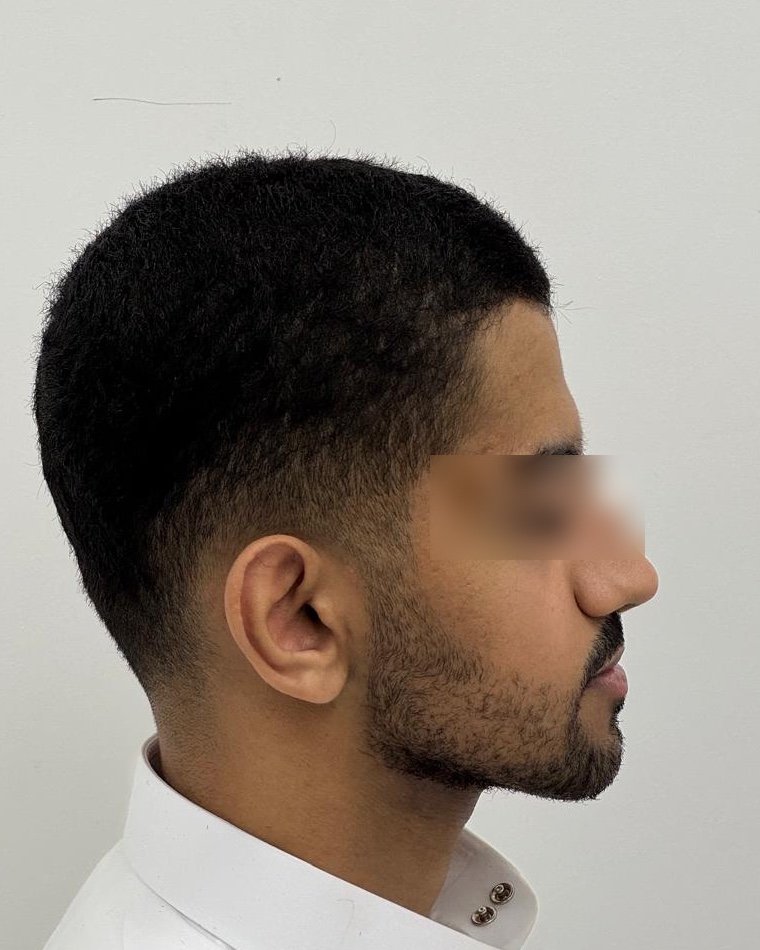 After
Frequently Asked Questions About Orthognathic Surgery
Not always. The cause of the protrusion and the relationship between the upper jaw, lower jaw, and teeth must first be assessed before an appropriate treatment plan can be determined.
It depends on the source of the problem. If the issue is primarily related to tooth alignment, orthodontic treatment may be sufficient. A skeletal discrepancy involving the position of the jaws requires a different assessment.
No. Some cases may require correction of one jaw, while others may involve both jaws. Chin surgery may also form part of the plan depending on the assessment.
Learn More About Orthognathic Surgery
Jaw SurgeryWhen Do You Need Orthognathic Jaw Surgery?
Read articleOrthognathic Surgery Consultation in Riyadh
If you have a clear mismatch of the teeth, protrusion or retrusion of one of the jaws, deviation of the jaw, or asymmetry of the lower face, the first step is to identify the source of the problem.
During the consultation, the relationship between the teeth, the jaws, the chin, and facial harmony is assessed, and the appropriate options are then discussed based on the needs of the case.
Book Your Appointment