Cleft Lip and Palate Repair in Riyadh
Surgery that rebuilds the lip and the roof of the mouth in children born with a cleft, as part of a staged plan from the first months of life until growth is complete, with correction of remaining effects in adults.
Book Your AppointmentWhat Are Cleft Lip and Cleft Palate?
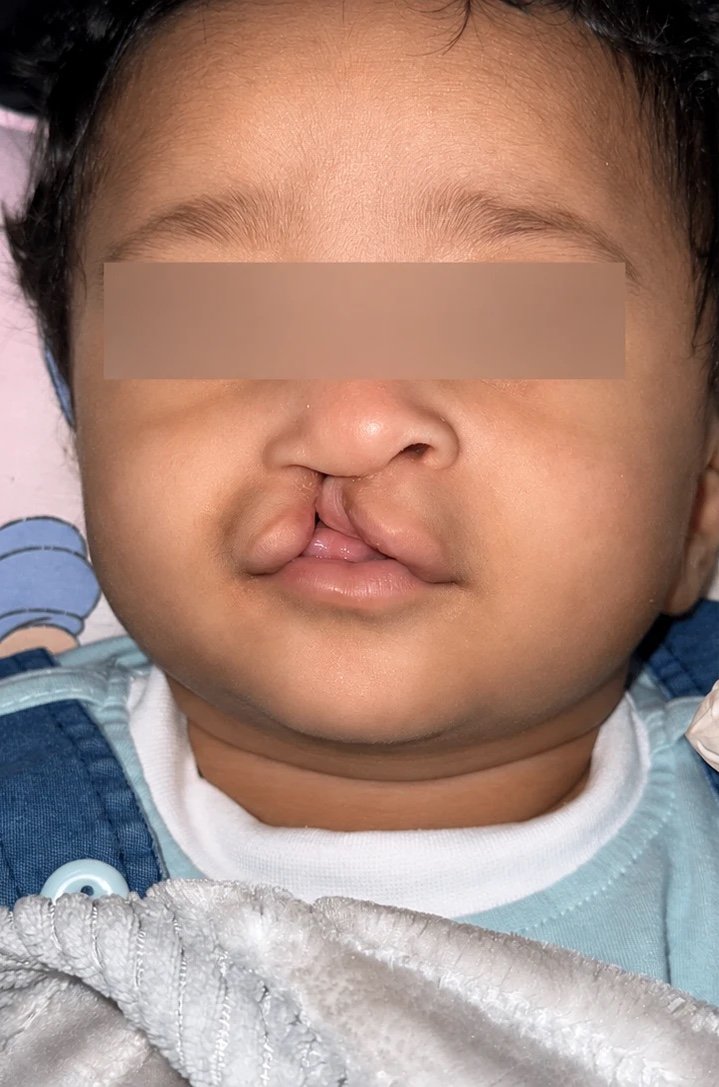
A cleft lip is a split in the upper lip that a child is born with. It can be on one side or both sides and may extend into the nose. A cleft palate is an opening in the roof of the mouth that connects the mouth and the nose. Each can occur alone, or both can occur in the same child.
The cleft forms in the first weeks of pregnancy, when parts of the face and mouth do not fully join. It is one of the most common birth differences of the face, and it can be treated surgically with good results when it is followed within a clear plan.
Stages of Treatment and Their Timing
A cleft is treated in stages linked to the child's age and growth. The ages below are the usual ones; the actual timing for each child is set after assessment:
- Lip repair: usually in the first months of life, once the child has gained enough weight. It rebuilds the lip muscle and improves the shape of the nostril.
- Palate repair: usually before the child starts talking, at around 9 to 18 months, to close the opening and help the palate muscles work for speech and swallowing.
- Alveolar bone graft: when the cleft involves the gum, bone is usually added at school age, before the permanent canine erupts, to support the teeth and close the opening between the mouth and the nose.
- Jaw surgery: in some cases the growth of the upper jaw is affected, and the relationship between the jaws is corrected once growth is complete.
- Lip and nose refinement: later adjustments to the scar or nose shape may be made when needed.
Not every child needs all of these stages. The number and timing of operations depend on the type of cleft, how far it extends, and how the child grows.
Assessment Before Surgery
Planning starts with a full assessment of the child and the cleft, looking at:
- The type of cleft: lip only, palate only or both, and on one side or both sides.
- Whether the cleft extends into the nose and gum.
- Feeding, growth and weight, and readiness for anaesthesia.
- The palate and its expected effect on speech.
- The teeth, gums and the relationship between the jaws.
- Hearing and the middle ear, which a cleft palate can affect.
An early assessment helps parents understand the whole plan from the start and what their child will need at each stage.
Treatment Shared by a Complete Team
The results of cleft lip and palate treatment do not depend on surgery alone. A child usually needs follow-up with a paediatrician, a speech therapist, an orthodontist and an ENT specialist, alongside the maxillofacial surgeon.
The maxillofacial surgeon carries out the surgical stages and follows the growth of the face and jaws over the years, so that each decision is made at the right time.
Correcting Cleft Effects in Adults
Some people who had their cleft repaired as children still have effects they would like to improve, such as a visible lip scar, an uneven nose, a set-back upper jaw, or a remaining opening in the palate or gum.
In these cases the whole face can be assessed and a plan made that may include lip or nose revision, jaw surgery or a bone graft, depending on what each case needs.
An Overview of the Surgery and Recovery
Lip and palate repairs are done under general anaesthesia. The skin, muscles and tissues are rearranged to close the cleft and build the natural shape of the lip or palate.
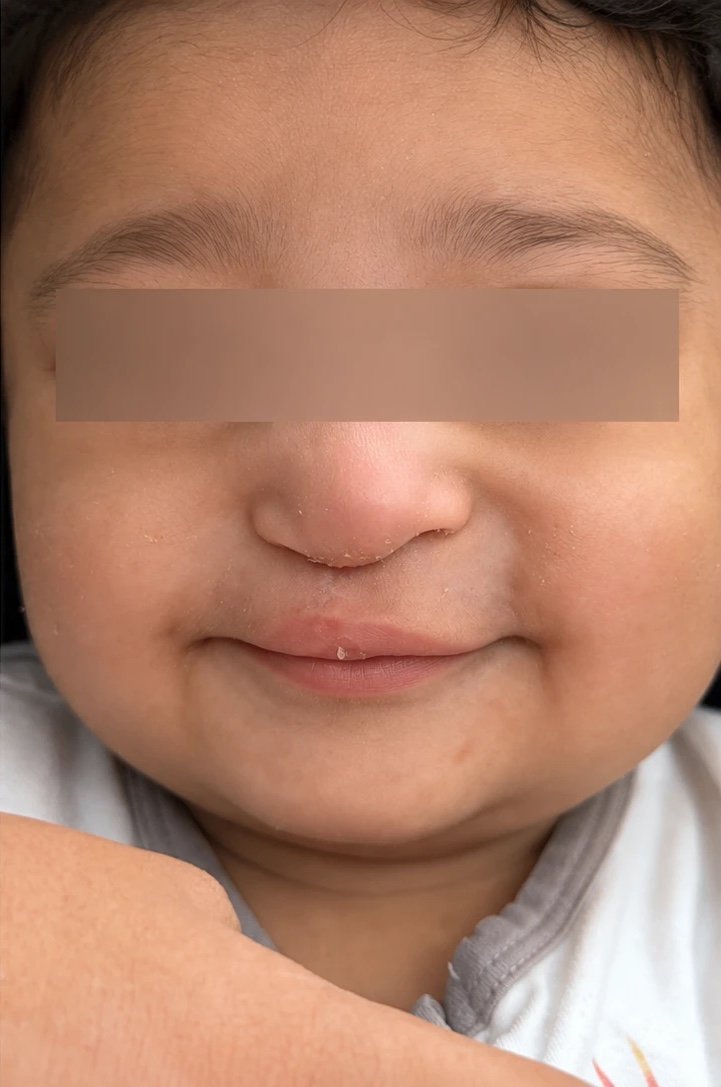
After surgery the child needs wound care and specific feeding instructions for a short period, and swelling goes down gradually. The scar improves over the following months.
Parents receive the details of each stage and its follow-up before surgery, according to the child's age and type of cleft.
A specific result or a fixed recovery time cannot be guaranteed for every case; individual surgical assessment is the basis of the plan.
Frequently Asked Questions
Lip repair is usually done in the first months of life, once the child has gained enough weight. The actual timing is set after assessing the child.
The palate is usually closed before the child starts talking, at around 9 to 18 months, to support normal speech development.
In many cases yes, because treatment is staged according to the child's age and growth. The number of operations depends on the type and extent of the cleft.
A fine scar remains on the upper lip. Its position is planned to follow the natural lines of the lip, and it improves gradually over time.
It can affect speech if it is not treated at the right time, which is why it is closed before the child starts talking. Some children then need follow-up with a speech therapist.
Yes. The lip scar, nose shape and jaw relationship can be improved in adults after a full facial assessment and a plan suited to each case.
Cleft Lip and Palate Consultation in Riyadh
Whether your child is newborn or you are considering improving the effects of an earlier repair, the first step is an assessment that sets out the right plan for each stage.
Book Your Appointment